We’re In a Sparkle Revival

We used to be a sparkly people. Before a big night out or even just dinner with friends, lids twinkled, cheekbones caught the light from every angle, and lip gloss doubled as a mirror. In the ’70s and ’80s, shimmer wasn’t optional in makeup—it was the whole point. Soul Train dancers left a trail of glitter as they shimmied the night away. Donna Summer’s pure disco shine and Cher’s theatrical sparkle set the standard.
By the early aughts, as formulas evolved, so did sparkle’s role: chunky glitter gave way to metallic, cool-toned eyes, frosted lips, and bedazzled body stickers placed near the collarbones—usually in the shape of a butterfly or star. The Y2K era was extra, yes, but deliberately so, with a kind of loud glamour meant to spark joy and creativity.
Then, almost overnight, the shine faded, and we entered a clean girl era. Full-impact makeup was traded for dewy skin, soap brows, and the kind of restraint that suggests minimal effort. But shimmer never really left—it just slipped out of the spotlight, waiting for the right moment to ride back in and save us from the choke hold of minimalist glam.
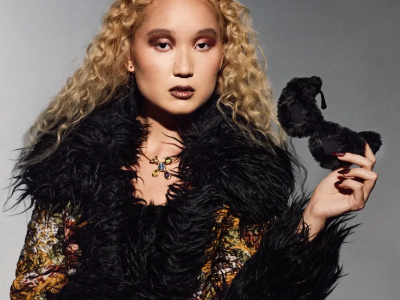
Turns out, 2026 is that moment. Makeup is swinging back toward the bold side of the pendulum. The return of Euphoria, along with other cultural entertainment moments, like the Hannah Montana 20th Anniversary Special, Zara Larsson’s Midnight Sun Tour, and basically every Tyla appearance, signals a collective return to drama and, well, sparkle. And makeup artists who came of age during the peak of shimmer are watching a new generation rediscover it—this time with more sophisticated formulas.
“Shimmer five years ago looked heavy with textured glitter; it was very Studio 54-esque,” says Katie Jane Hughes, a makeup artist in New York City, and the founder of KJH.Brand. “Now, I think we’re in a much more chic, more elegant era of shimmer.”
Hughes isn’t alone in that thinking. Artists including Donni Davy, the founder of Half Magic; Sophia Sinot, a makeup artist whose creativity has been capturing the attention of today’s most vibrant celebrities; and Pat McGrath, the founder of Pat McGrath Labs and pillar of Fashion Week, point to a version of shimmer that feels more intentional—less all-over, more strategic, and ultimately more wearable.
But why now? After years of pared-back, clean girl makeup, why revisit shimmer at all? Davy, one of the makeup artists who never took a break from sparkle, points, in part, to boredom: “Whenever you do one thing for a while, people just get tired of it,” she says. But for her, the shift also reflects something deeper: a kind of collective resistance. “With everything going on in the world right now, especially in the US, and the sense that we’re moving backwards in terms of human rights, it feels like a good time to show up as your most superhuman self,” she says.
That can mean embracing more color and shimmer, and being unapologetic, even defiant, through makeup. “It doesn’t feel like the moment to be demure or to perfect a ‘clean girl’ look that’s just your face, but prettier. It’s a time to inject more feeling and mood into makeup.” For Davy, that kind of self-expression can be deeply therapeutic, even cathartic, especially when it sparkles.” Because shimmer has never been “just decoration,” says McGrath. “It’s emotion, glamour, and transformation all at once."
Ahead, top makeup artists break down the state of shimmer—from the elements of bygone eras that inspire today’s looks to the new formulas shaping the trend—and how this resurgence is bringing joy back into our makeup routines.
We can’t talk about shimmer without taking it back to the ’70s and ’80s. Before Zendaya wore glitter tears on Euphoria, Cher had eyelids covered in cool-toned, light-catching eye shadows. Shine lit up everything—eyes, cheekbones, lips—turning makeup into the ultimate accessory, not just for superstars but for everyday women, too.
The ’90s traded disco-era dazzle for subtle drama in the form of dark lip colors, matte finishes, and just a single hint of gleam. “Shimmer was often worn in a way that felt more isolated and avant-garde: a frosted lid, a metallic mouth, a pop of glitter as a statement,” says McGrath.
By the early 2000s, sparkle returned with new vigor. Metallic eye shadows, frosted lips, and glosses like Lancôme’s Juicy Tubes were everywhere. Shine wasn’t limited to the lids: Y2K brought tiny crystals to the inner corners of the eyes, high-gloss cheekbones, and multidimensional finishes that turned everyday looks into moments of full-on dazzle. Not to mention body glitter, which was often paired with belly button rings for maximum bling.
The whole era was loud and bright—a subtle return to the glamour of the ’80s. McGrath, leaning fully into the drama of the period, created ultra-glittery looks, including shimmer-coated eyes and lips, for the Christian Dior Ready to Wear Collection in 2004.
It’s important to note that McGrath, who has made glitter a mainstay of her career, is basically one of the patron saints of shimmer. From hundreds of runways (like the chunky glitter eye look from the Christian Dior fall 2011 couture runway or the Givenchy glitter masks in 2011) to her innovative Mothership eye shadow palettes, the legendary makeup artist kept shimmer alive in the chat—even when it seemed she was the only one talking about it. “Shimmer is endlessly versatile, and that is why I never tire of it,” McGrath says. “It can be ethereal or aggressive, soft or subversive, depending on the texture, tone, and placement. I can use it to create subtle luminosity on a ‘no makeup, makeup look’ or a full, high-impact couture runway statement. That’s what makes it such a powerful artistic tool.”
In the early 2000s, brands like MAC, Stila, Urban Decay, and Hard Candy were giving consumers their sparkle fix with glitter-packed eye shadows and frosted glosses. “We compounded real glitter into formulas, and buyers couldn’t get enough of it,” says Jeanne Chavez, cofounder of Hard Candy, who explains that the brand incorporated glitter into nearly all of its products as demand grew.
By 2016, shimmer had dialed back to a supporting role: a flicker in the center of a cut-crease lid, a streak of bronze highlighter on the cheekbones—just enough to catch the light. Then, three years later, the debut of the HBO hit Euphoria thrust glitter back into the spotlight in a whole new way.
For the show’s psychedelic sequences, Davy designed glitter tears and face gems that amplified the characters’ trippy experiences. By 2019, “Euphoria makeup” had exploded in popularity, inspiring a generation to splash glitter makeup on their faces.
This renewed appetite for sparkle called for new products to match. Davy launched Half Magic in 2022 with glitter-forward formulas, including face gems and metallic cream eye shadows. In 2020, Pat McGrath Labs released its DIY Crystal Lip Kit, complete with crystals, special glue, red glitter, and a lipstick that allowed users to re-create her signature backstage looks.
Though shimmer makeup would go dark again for a few years, the bold, high-shine aesthetic of Euphoria ultimately planted the seeds for shimmer’s timely resurgence now.
The reintroduction of shimmer into the mainstream began quietly with nails in 2022. Hailey Bieber debuted her now-popular pearly chrome manicure, and suddenly, the word “glazed” was in everyone’s vocabulary. Shimmer began to creep back into our makeup routines in the form of wet-looking eyelids and iridescent blushes, but it was all still very “clean.”
At the top of 2024, the mob wife aesthetic began trending, signaling fatigue with minimalist makeup. Just two years later, maximalism and all the glitz that comes with it are fully back. But today’s shimmer feels more grown-up, refined in more ways than one. “In the past, sparkle could sometimes feel heavy, gritty, or overly obvious on the skin, like it could completely fall off,” says McGrath. “Now, the most exciting shimmer is far more refined. It can be translucent, light-reflective, and almost liquid in the way it catches light.”
Hughes and Davy agree. In 2026, shimmer is less chunky and more finely milled, thanks to more sophisticated, versatile formulas. Shine today leans “couture, never costume,” says McGrath, who also notes a sense of renewed joy in the way people are wearing it. “You see people pairing sparkle with unexpected color, layering iridescence over bare skin, or using multidimensional finishes in a way that feels expressive rather than overly done,” she says. “That’s what makes this moment feel different: It’s not about nostalgia alone. It’s about reinvention. The new shimmer is playful, prismatic, and incredibly personal.”
One makeup artist who embodies this shift is Sinot. The content creator from the Netherlands is best known for the bold, sparkly, Y2K-inspired looks she creates on singer Zara Larsson. Scroll through Sinot’s Instagram, and you’ll find Larsson adorned in light-catching body glitter, glistening face gems (she uses lash glue to stick them on), and vivid hues that transform her into something almost otherworldly. “It’s very high glamour and super maximalist,” Sinot says of Larsson’s tour glam. “We go all out in every aspect. We leave no part of the face or body untouched. There’s glitter on her eyes, cheeks, and lips, and all over her body. We take every opportunity to make her reflect onstage.”
Given the celestial tone of her work, it’s no surprise that Sinot often looks to space for inspiration. “I’m always looking at photos of galaxies and different planets,” she says, using constellations and planetary color palettes as starting points.
Nature plays a role in her inspiration, too. “The sparkle of the gems when they catch the light onstage comes from that shimmer you see in the ocean when light hits the water,” she says.
While Sinot is one of the newer artists at the forefront of the shimmer revival, Hughes, Davy, and McGrath never put their glittery eye shadows away—though th
- Last
- May, 05
-
-
-
-
-
-
-
- May, 04
-
-
- May, 03
-
- May, 02
-
-
- May, 01
-
-
-
-
-
-
-
News by day
25 of May 2026