What lies behind Ukraine's concessions towards Romania and what consequences this may have

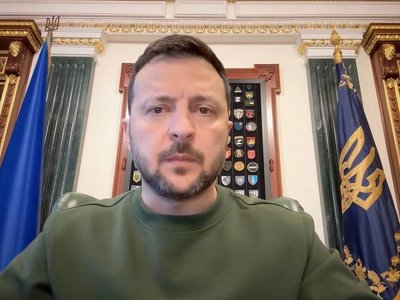
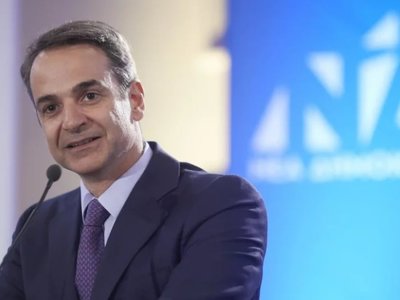
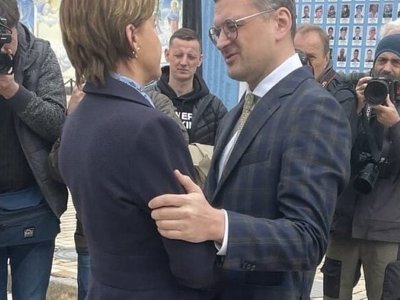
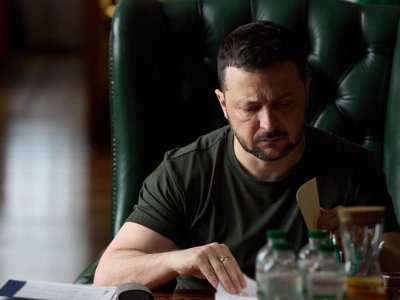
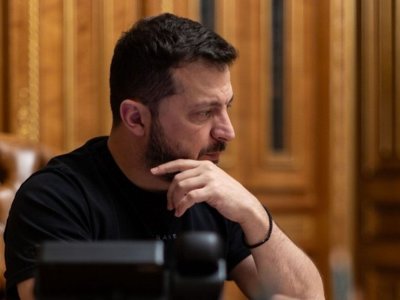
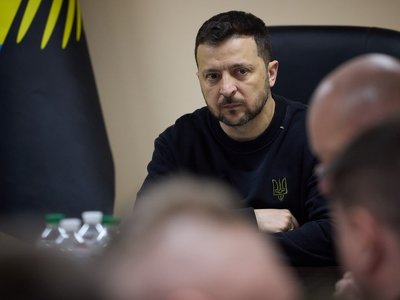
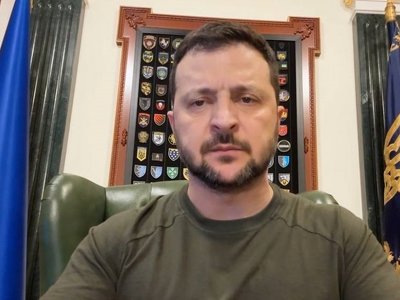
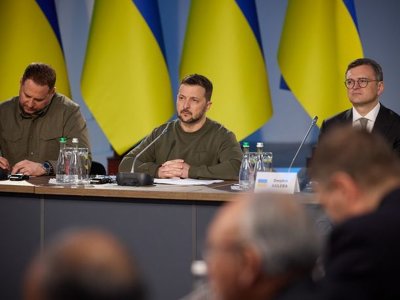
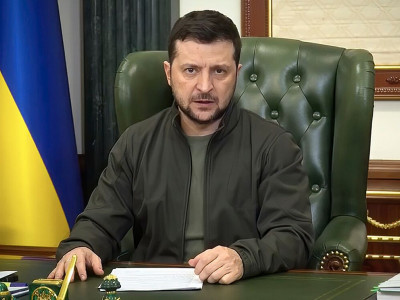
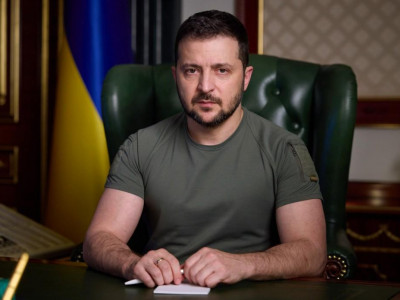
The recent visit of Ukraine’s president to Bucharest can undoubtedly be called successful for both sides, – Ukrainian and Romanian.
One of the most widely covered outcomes of the visit was the introduction in Ukraine of an official Day of the Romanian Language.
This holiday will now be officially celebrated on 31 August. The corresponding decree was signed by Volodymyr Zelenskyy directly in Bucharest.
While in Ukraine this decision was perceived purely as a diplomatic gesture, for Romania it was a matter of principle.
Read more about the importance of this step in the article by Svitlana Bondar of the Central European Strategy Institute: Romanian Language Day: what the new Ukrainian holiday changes in relations with Bucharest.
It seemed that after Ukraine officially abandoned the term Moldovan language in 2023 and amended seven laws on minority rights ahead of the decision to open EU accession negotiations, all language-related issues should have been resolved.
However, precisely during the debates over abandoning the term Moldovan language, the organisation of the Romanian community of Odesa Oblast "Bessarabia" addressed President Zelenskyy with an open letter proposing the establishment of an official Romanian Language Day in Ukraine.
In the letter, symbolically published on 27 October, Ukraine’s Day of Ukrainian Writing and Language, the proposed date was 31 August. This day is a public holiday in Romania and Moldova, symbolising the return to the Latin script and the recognition of the language in 1989. Romania introduced the holiday in 2013, while in neighbouring Moldova the tradition dates back to 1990.
The letter also appealed to the principle of reciprocity, noting that since 2018 Romania has observed Ukrainian Language Day on 9 November (in Ukraine, this holiday was moved to 27 October).
It was barely noticeable in Ukraine, but in Romania throughout the past year tensions over the language issue had been growing, including concerns about a possible reduction in schools teaching in Romanian in Ukraine. Even President Dan responded, assuring that the schools would not be closed.
The political discourse on these issues is shaped primarily by the far-right AUR (Alliance for the Union of Romanians), which is anti-European and anti-Ukrainian.
Despite losing parliamentary and presidential elections, Romanian right-wing forces have maintained strong positions and continued to exploit the issue of the rights of the Romanian minority in Ukraine, criticising the new government for supporting Ukraine while Kyiv allegedly continues to restrict minority rights.
Until now, Ukraine had no official state "language day" dedicated to any specific national community.
Two holidays honouring languages are observed at the state level: the Day of Ukrainian Writing and Language on 27 October (since 1997) and International Mother Language Day on 21 February, which applies to all languages, including those of national communities.
Thus, the decree establishing Romanian Language Day in Ukraine has set a precedent.
This precedent can, and indeed should, become part of Ukraine’s policy of building good-neighbourly relations with EU and NATO member states on its path towards these alliances.
What Ukraine is currently experiencing with Hungary and Romania regarding minority rights is similar to what those countries themselves went through during their own EU accession, as well as what occurred between Slovakia and Hungary.
Decisions like the introduction of Romanian Language Day will be important as part of "gesture diplomacy" to reset relations and seek mutual understanding, possibly soon with Hungary or Slovakia as well.
In this context, Ukraine should act proactively and rely on European traditions, rather than on its own fears or the traumas of Russian colonialism.
- Last
- February, 05
-
-
-
-
- April, 28
-
-
-
-
-
-
- April, 27
-
-
-
-
-
-
-
-
-
News by day
25 of March 2026