How Trump is dividing the world into spheres of influence and what threats this poses to Europe

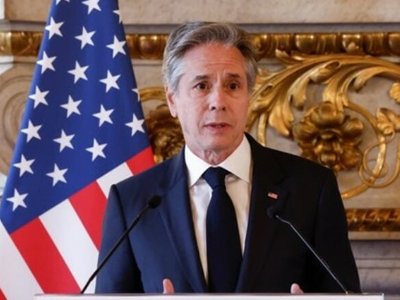
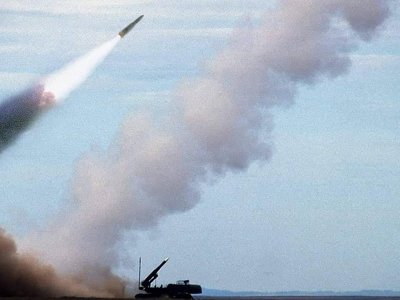
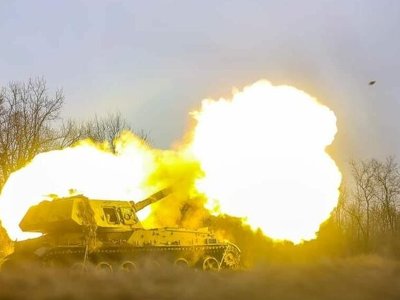
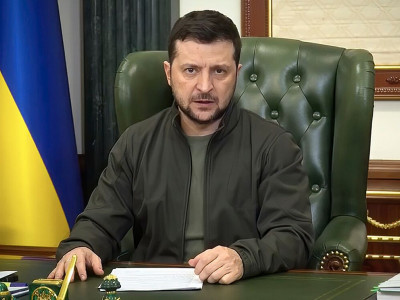
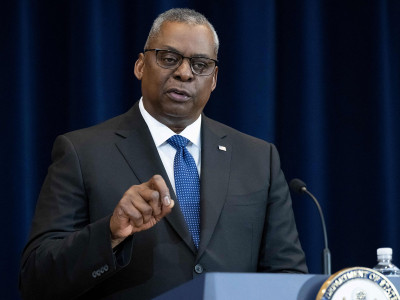
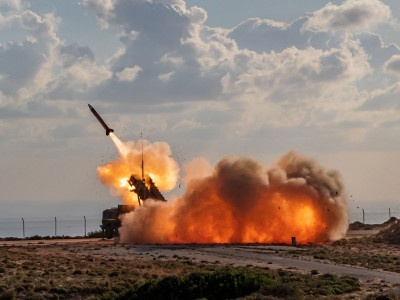
US President Donald Trump, who credits himself for ending eight wars, has been engaged in nine military operations during his second term, the most important being the one now taking place in Iran.
All this confirms not only the extraordinary volatility of the international context but also the total unpredictability of the American president.
Still, one idea seems to link the disparate events that have defined the breakdown of the postwar and post-Cold War international order in recent years: that whatever new order emerges will be built around spheres of influence.
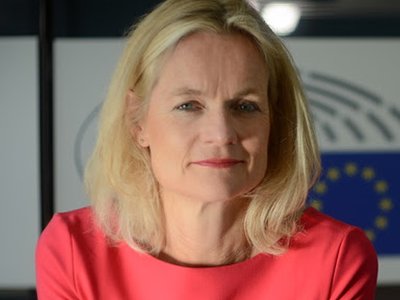
Read more about the return of the spheres-of-influence model and what it means in the article by Zaki Laïdi, a former special adviser to a top EU diplomat (2020–2024): The illusion of a new order: why US, China and Russia will fail to divide the world into zones of influence.
The re-emergence of the spheres-of-influence model reflects a period of hegemonic transition.
With no single power willing or able to dominate the global order and assume the responsibilities that come with that role, major powers are increasingly compelled to secure their own regions in order to manage relations with rivals from a position of strength.
No political leader has embraced this approach more openly than Trump. An intransigent nationalist, he has sought to consolidate US primacy over the Western Hemisphere, from Greenland to Tierra del Fuego.
But as his decision to launch a war against Iran has made abundantly clear, Trump’s ambitions extend far beyond the Americas.
Europe, unsurprisingly, has found itself in Trump’s crosshairs. European countries challenge America’s technological dominance while championing the liberal values his MAGA movement despises most.
In Trump’s view, that makes Europe a target, not a competitor, and certainly not an equal.
Then there is China. As its willingness to push back against Trump’s tariffs has shown, the People’s Republic increasingly sees itself as operating on near-equal footing with the US. With each possessing significant leverage over the other, the possibility of a strategic accommodation has begun to gain traction in both countries.
Seeking to avoid direct confrontation, the US, China, and Russia are again turning to spheres of influence. Amid escalating tensions, the concept seemingly offers a way to manage geopolitical competition while reducing the risk of an all-out great-power conflict.
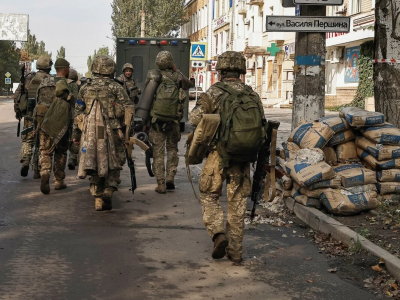
For the first time since 1945, three major powers – the US, China, and Russia – are converging around an authoritarian conception of sovereignty and power: skepticism toward liberal values, preference for bilateral power relations over multilateral rules, a clear distinction between friends and foes, and the primacy of decisive action over deliberation by courts and parliaments.
What binds these regimes together is not ideology but a shared rejection of the constraints the postwar liberal order once placed on the exercise of raw power. Force becomes the only international law.
No region is more vulnerable to a spheres-of-influence order than Europe.
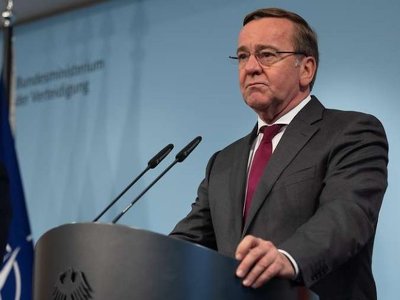
While the Trump administration continues to reassure its allies, it is also promoting a so-called NATO 3.0 in which Europeans assume greater responsibility for their defense.
Elbridge Colby, the Trump administration’s under secretary of "war" (defense) for policy, made that clear in Munich when he voiced strong opposition to nuclear proliferation among America’s European allies.
The message was unmistakable: Europe should do more for its own defense, but the US will ultimately set the terms.
This uncertainty has deepened divisions within Europe.
Confronted with China’s economic power, the threat of Russian aggression, and Trump’s unpredictability, Europe finds itself at a crossroads.
Increasingly, it looks less like an independent strategic actor than easy prey for great powers.
A new global order may well be emerging, but its final form remains far from settled.
What is certain is that it will bear little resemblance to the world of the 19th century.
Although often justified as a source of stability, spheres-of-influence arrangements tend to generate conflict rather than submission, as local actors resist domination and pursue their own interests.
- Last
- February, 05
-
-
-
-
- April, 28
-
-
-
-
-
-
- April, 27
-
-
-
-
-
-
-
-
-
News by day
25 of March 2026