What Zelensky agreed on in Romania and what signal he sent to Orbán

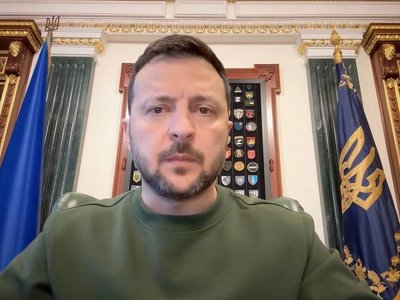
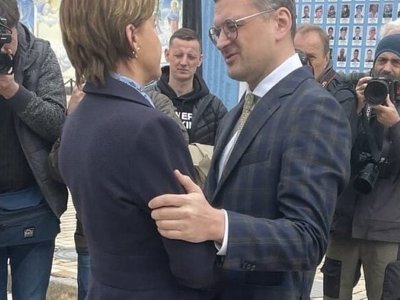
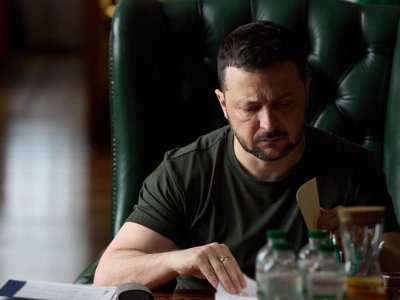
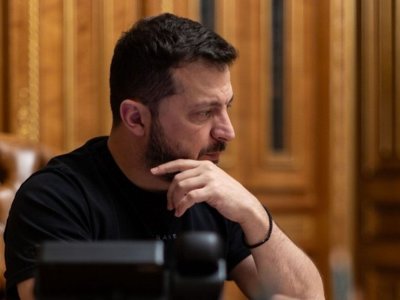
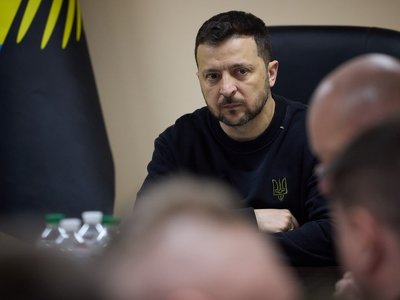
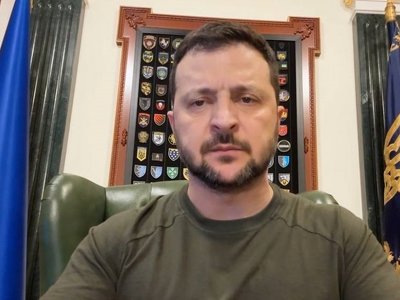
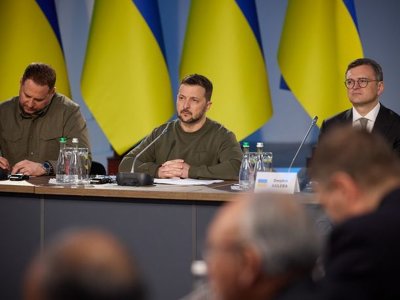
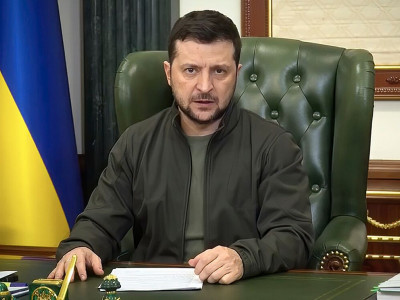
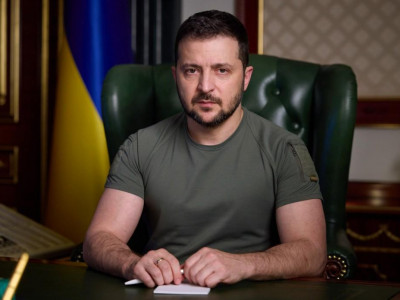
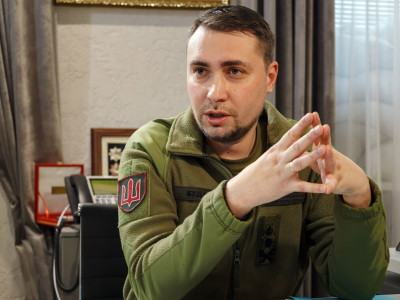
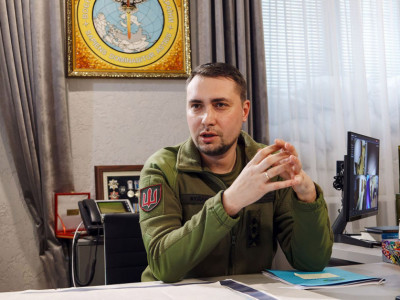
Volodymyr Zelenskyy’s visit to Bucharest on 12 March was more than just another bilateral meeting.
In fact, it signaled that Romania is gradually shifting from the role of a rear partner to a state ready to institutionalise long-term strategic rapprochement with Ukraine in areas such as security, energy, the Black Sea region and even the sensitive issue of national minorities.
Read more about what was agreed with Romania in the article by Serhii Herasymchuk and Rostyslav Klimov of the Foreign Policy Council "Ukrainian Prism: From military cooperation to a 'signal to Orbán': how cooperation between Ukraine and Romania is changing.
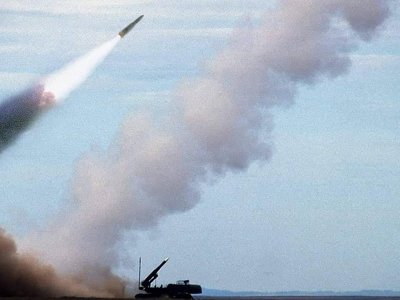
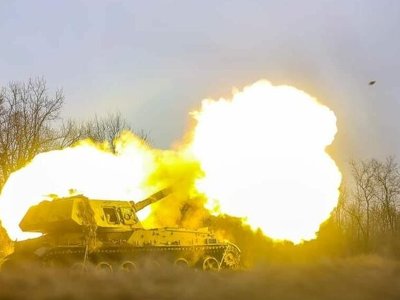
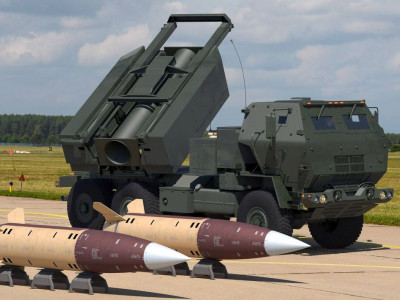
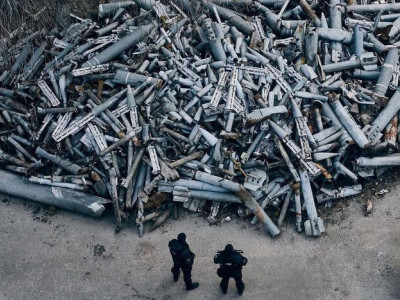
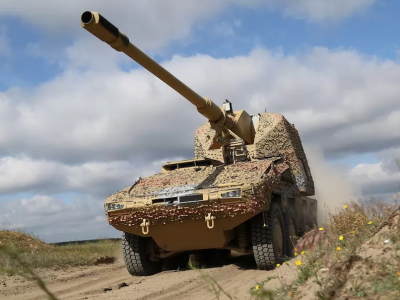
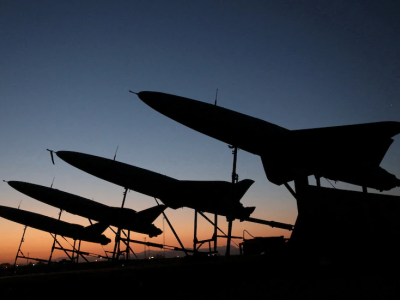
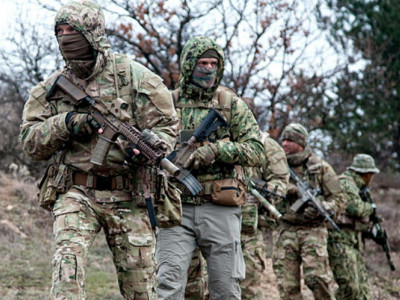
The most substantive part of the visit was the agreement on defence cooperation.
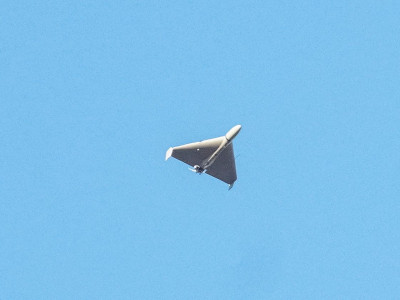
Its essence lies in transitioning to joint production of defense systems in Romania using Ukrainian technologies and experience.
In essence, Ukraine directly offered its neighbouring EU and NATO member not only to support its defence but also to integrate Ukrainian military-technological experience into the European defence space. In this context, Bucharest is becoming one of the possible hubs of a new Eastern European defence architecture.
It is worth noting not only the content of the documents but also the timing of their signing.
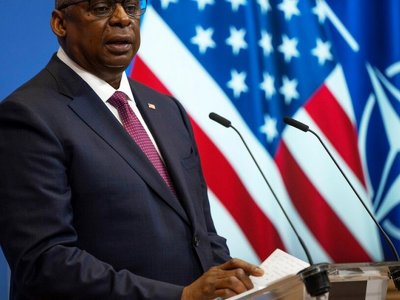
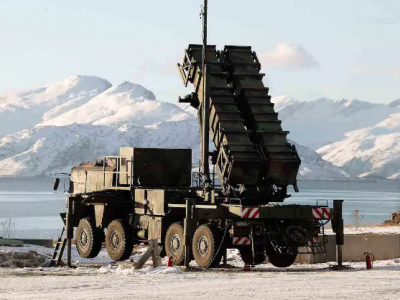
A day before the Ukrainian president’s arrival, Romania held a meeting of the CSAT (Supreme Council of National Defense), which considered a US request for the temporary deployment of additional American forces and equipment at Romanian bases. According to the Romanian side, this included refueling aircraft, communication systems and monitoring equipment.
This coincidence in timing demonstrates that Bucharest does not view the Ukrainian issue in isolation, but as part of a broader security configuration – from the Black Sea to turbulence in the Middle East and the redistribution of military infrastructure within NATO.
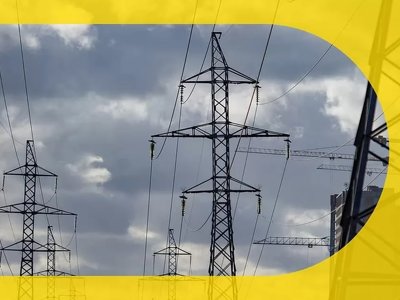
Another fundamentally important area of agreement is energy. The signed document provides for the development of electricity interconnectors, including the Chernivtsi-Suceava and Porubne-Siret lines, as well as strengthening the role of the Vertical Gas Corridor connecting Greece, Bulgaria, Romania, Moldova and Ukraine.
The joint declaration elevates bilateral relations to the level of a strategic partnership, confirms support for Ukraine’s membership in the EU and NATO, and establishes plans to create a High Strategic Commission at the presidential level, a format for regular intergovernmental meetings and annual "2+2" consultations between foreign and defence ministries.
At the same time, the text explicitly enshrines commitments to protect the rights of the Romanian minority in Ukraine and the Ukrainian minority in Romania, including language rights, education in the native language and eliminating artificial distinctions between the "Romanian" and "Moldovan" languages. 31 August will now become the Day of the Romanian Language in Ukraine.
Thus, this visit became a kind of "signal to Orbán," or more precisely, to the voters of the Hungarian prime minister. The signal is very simple: Kyiv is ready to accommodate its allies’ requests for additional protection of national minorities.
However, this applies only to allied countries. And there are all grounds to say that Romania is currently such a country.
At the same time, the part concerning national minorities has, predictably, become a cause for criticism in Romania from the far-right and opposition party AUR.
The political "timing" of this visit is very important. Securing these agreements now is crucial, as in a year, in 2027, the current Romanian coalition may enter a period of turbulence.
- Last
- February, 05
-
-
-
-
- April, 28
-
-
-
-
-
-
- April, 27
-
-
-
-
-
-
-
-
-
News by day
25 of March 2026