Ukraine Prepares for the Toughest Winter

Ukraine is preparing for a difficult winter amid attacks on energy infrastructure. Learn about the risks and why travelers need war-risk insurance
Due to the threat of new attacks on the energy infrastructure, disruptions to essential services, and low temperatures, the winter of 2026–2027 could become Ukraine’s most difficult challenge since the beginning of the full-scale war.
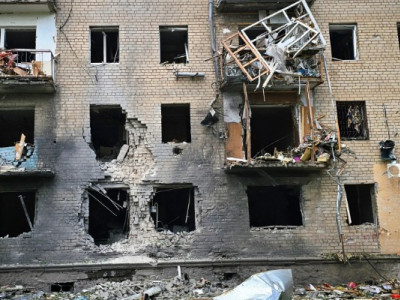
Ukraine is entering the heating season amid the constant threat of Russian attacks on energy and civilian infrastructure. The United Nations warns that the winter of 2026–2027 could be the most difficult since the beginning of the full-scale invasion. The most dangerous scenario would involve simultaneous damage to power grids, heating systems, water supplies, and logistics. This was reported by RBC-Ukraine.
According to UN representative Alexander De Croo, if attacks intensify and temperatures fall to around -20°C, the situation could approach a humanitarian catastrophe. The risks involve not only possible power outages, but also disruptions to water and heating supplies, the operation of medical facilities, transport, and the delivery of essential goods.
Read also: How to Prepare for a Power Outage
Prime Minister Serhii Koretskyi called getting through the coming winter the main challenge facing the Ukrainian government. Speaking at the YES Annual Meeting 2026 conference, he said that the Cabinet of Ministers was preparing for various scenarios, from difficult to the worst possible.
According to the prime minister, Ukraine’s energy sector remains under constant attack, and it is impossible to fully protect every facility. At the same time, the government believes that the country is much better prepared for possible attacks than it was last year.
“There is a resilience plan. We are protecting energy assets and infrastructure and preparing decentralized systems to ensure the vital functions of regions, cities, and communities,” Serhii Koretskyi said.
The authorities are also considering several possible scenarios. This approach should help them respond more quickly to damage to individual facilities and prevent the complete shutdown of critical services in the regions.
The difficulty of the coming heating season can be explained by several factors.
Russian attacks may target power plants, substations, gas infrastructure, heating facilities, and water utility facilities. Even if some systems are protected, damage to a single critical facility can affect entire cities or regions.
Repeated strikes on facilities that have already been damaged are particularly dangerous. Their restoration requires time, equipment, and access to specialists, while in winter any delay can have serious consequences.
Don't want to miss important updates and useful articles? Subscribe to our weekly newsletter!
During severe frosts, even a short-term heating outage can endanger residents of apartment buildings, hospitals, schools, and social institutions. If electricity, water, and heating are cut off at the same time, restoring normal living conditions becomes much more difficult.
Low temperatures also increase the strain on the power system. People use more electricity for heating, while damaged networks may be unable to withstand peak demand.
Electricity is essential for operating pumping stations, water treatment facilities, and water distribution systems. As a result, attacks on energy infrastructure can indirectly lead to disruptions in the water supply.
For residents, this means planning access to drinking water in advance, especially during prolonged outages. For foreigners, an additional risk may be the lack of clear information about local water distribution points or the operation of emergency services.
Winter attacks may affect railway and road connections, warehouses, fuel stations, shops, and delivery services. Damage to roads or power outages can make travel between cities more difficult.
This is particularly important for people planning to travel around Ukraine in winter. Train delays, route changes, air-raid alerts, and movement restrictions may occur even when a particular city has not been directly attacked.
Ukraine is strengthening the protection of energy facilities, but it is impossible to guarantee the safety of every power station, substation, or utility system. That is why the government is focusing not only on physical protection, but also on decentralization.
Backup power sources, local boiler houses, generators, mobile communication systems, and heating points should help reduce the consequences of damage to major facilities. However, these measures do not eliminate the risks for people who are in an affected area or who need to travel while infrastructure services are operating unreliably.
Read also: Medical Insurance or a War-Risk Policy: What Is the Difference?
Foreigners planning to visit Ukraine in winter should check accommodation conditions and the transport situation in advance. It is advisable to choose accommodation with backup power, heating, a water supply, and quick access to a shelter.
Before traveling, you should also:
It is equally important to arrange medical insurance. A standard travel policy may not cover injuries caused by a missile strike, explosion, falling debris, or other consequences of military operations. Before purchasing a policy, carefully check its territorial validity, exclusions, coverage limit, and conditions for receiving assistance.
Planning a trip to Ukraine this winter? Protect yourself — purchase insurance with war-risk coverage.
Insurance with appropriate coverage may provide medical assistance in the event of injuries connected with passive war risks. These may include injuries caused by a blast wave, falling debris from intercepted targets, a fire following an attack, or damage to civilian infrastructure.
However, the terms of different policies vary. Make sure that your insurance:
Do not postpone purchasing a policy until the day of departure: buy insurance with war-risk coverage in advance.
The Ukrainian authorities emphasize that the country is better prepared this year than it was last winter. The resilience plan includes protecting energy infrastructure, creating decentralized systems, and preparing for various scenarios.
Traveling around Ukraine this winter? Purchase insurance with military-risk coverage and protect yourself financially against unforeseen circumstances.
At the same time, neither the government nor international organizations rule out a difficult situation. The combination of Russian attacks, freezing temperatures, disruptions to utility services, and logistical difficulties could create serious risks for residents and foreigners.
Traveling to Ukraine in winter therefore requires more preparation than usual. You should plan your route and accommodation in advance, consider alternative travel options, and make sure you can access medical assistance if necessary.
We remind you that we have a complete guide to the documents required to enter Ukraine and purchase insurance with war-risk coverage this autumn. We recommend reading it before your trip!
Image: RBC-Ukraine
Want to know more? Read the latest news and useful materials about Ukraine and the world in the News section.
We recommend purchasing it for a safe and comfortable trip to Ukraine:
Visit Ukraine Insurance – insurance covering military risks for entry and travel in Ukraine;
Visit Ukraine Car Insurance – car insurance with extended coverage in Ukraine;
Visit Ukraine Legal Advice – comprehensive legal support on entry to Ukraine;
Visit Ukraine Tickets – bus and train tickets to/from Ukraine;
Visit Ukraine Tours – the largest online database of tours to Ukraine for every taste;
Visit Ukraine Hotels – hotels for a comfortable stay in Ukraine;
Visit Ukraine Merch – patriotic clothing and accessories with worldwide delivery.
© 2018-2026, Visit Ukraine. Use, copying or reprinting of materials on this site is permitted only with a link (hyperlink for online publications) to Visit Ukraine.
All rights reserved.
- Last
-
-
-
-
-
-
-
-
-
-
-
-
-
-
-
-
-
-
- October, 23
-
News by day
24 of October 2026