"Nothing can save Mr. Putin, not even high oil prices": Ukrainian UN envoy accuses Russia of disinformation, urges tougher US and EU sanctions

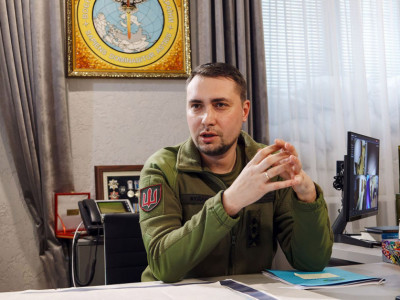
Melnyk specifically addressed comments from Russia's permanent representative to the UN, Vasily Nebenzya, who expressed concern that international attention is reportedly shifting from Russia's war in Ukraine to events in the Middle East. Melnyk said such statements only highlight Russia's loss of credibility and its growing irrelevance in the region.
He pointed out Moscow's role as a key accomplice of the Tehran regime and asserted that Russia had "betrayed the countries of the Gulf, stabbed them in the back, and abused its veto power to block a critical resolution on freedom of navigation in the Strait of Hormuz."
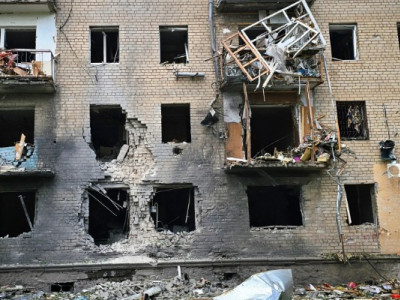
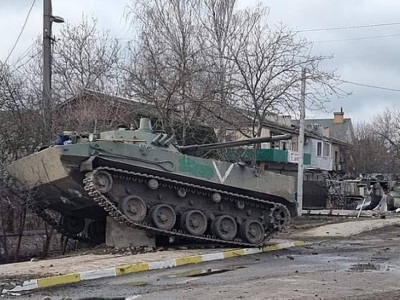
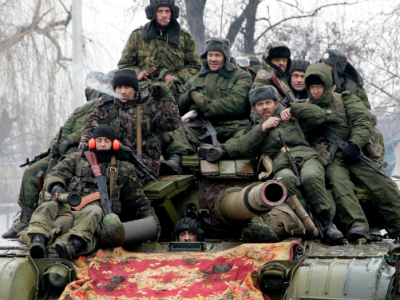
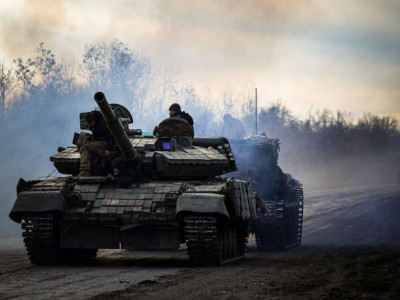
Melnyk also drew attention to internal problems facing Russia's military, including difficulties with mobilization and "significant battlefield losses."
"Instead of spreading disinformation about the Ukrainian army to sow discord and hatred in our society, perhaps Mr. Nebenzya should reflect on the alarming reality within Russia's own armed forces," Melnyk said.
According to Ukrainian assessments, since the beginning of the year, Russia "has been losing no fewer than 30,000 to 35,000 soldiers every single month," with losses exceeding their contract recruitment targets.
Melnyk added that the Kremlin struggles to attract volunteers, even with financial incentives, as regional authorities increasingly compete with one another by offering higher signing bonuses. He stressed that Russian army recruitment relies heavily on coercion and pressure on vulnerable groups, including prisoners, migrants, recently naturalized citizens, and mercenaries.
Melnyk called on the US and European partners to strengthen sanctions against Russia, particularly in the energy sector, and to support a new Security Council resolution on a ceasefire. He stressed that recent exemptions for Russian oil sales could bring Moscow an additional 10 billion US dollars in April alone.
He urged the US to rely "more on the stick than the carrot" in its Russia policy and called on European allies to eliminate Russia's "shadow fleet," which currently allows it to bypass sanctions.
He also appealed to countries in the Global South to join sanctions against Russian energy. He called on European partners to "take another historic step" by increasing military aid to Ukraine to at least 1% of their GDP — a clear signal to Moscow that "Mr. Putin has already lost this war."
Melnyk highlighted that Russia has effectively blocked the negotiation process for nearly two months and urged the Security Council to take decisive action. He called on European members to demonstrate leadership by preparing a suitable draft resolution.
"This new resolution must not become just another political statement with no consequences — it needs to be an instrument for compelling a real cessation of hostilities," Melnyk stressed, advocating for "real pressure measures, including targeted sanctions."
"Let's move beyond monthly debates and fully utilize the powers of this body to act finally," he concluded.
Melnyk emphasized that "Russia has no chance of winning this war."
Addressing Vasily Nebenzya in Russian, Melnyk quipped, "It's too late, Vasya, to drink Borjomi," and then in English: "When your kidneys have failed."
Background
On April 18, it was reported that the US Treasury Department issued a new license allowing the delivery and sale of Russian crude oil and petroleum products already loaded onto ships. The decision came despite assurances from Treasury Secretary Scott Bessent just two days earlier that no such move would be made.
Under this license, transactions involving Russian oil are permitted again until 00:01 on May 16. Previously, the US issued a similar license to help stabilize commodity prices amid the conflict in Iran and the closure of the Strait of Hormuz. That license expired on April 11.
- Last
News by day
4 of May 2026