Ukraine Is Turning Crimea from a Fortress into a Liability

Ukraine is pursuing a long-term strategy to isolate Crimea without launching a costly amphibious assault. Rather than attempting to recapture the peninsula through direct military action, Kyiv is systematically degrading the infrastructure that allows Russia to sustain its military presence there. The campaign is built around one central idea: make Crimea so expensive to hold that its military usefulness no longer justifies the political and logistical costs.
The approach focuses on dismantling the peninsula’s supply network. Since Russia depends primarily on the Crimean Bridge and the land corridor through occupied southern Ukraine, both routes have become regular targets. Strikes now extend far beyond transportation links to include ports, railway infrastructure, fuel terminals, power facilities, and storage depots. Rather than disrupting isolated facilities, Ukraine increasingly targets multiple elements of the logistics chain simultaneously, creating cumulative pressure that is much harder to overcome.
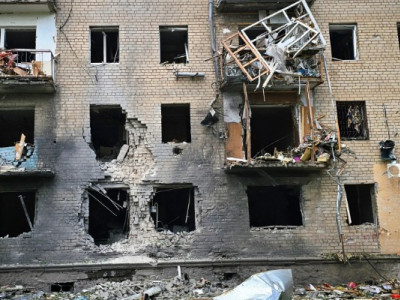
This strategy has become increasingly visible in recent months. Ukrainian strikes have damaged fuel infrastructure on both sides of the Kerch Strait, disrupted ferry operations, hit electrical substations and gas facilities, and destroyed railway connections critical for military transport. Before attacking key infrastructure, Ukrainian forces have also targeted Russian air defense systems, reducing protection for logistics hubs deeper inside occupied Crimea.
The consequences extend beyond the military sphere. Fuel shortages, rolling power outages, transport restrictions, and growing pressure on civilian infrastructure demonstrate how military strikes are gradually affecting the peninsula’s day-to-day functioning. The Crimean Bridge has faced repeated traffic limitations, ferry services have become increasingly unreliable, and the occupation authorities have introduced emergency measures to manage growing logistical difficulties. Even the tourism sector—an important source of revenue and a symbol of normality under Russian control—has been affected by the deteriorating security environment.
At the operational level, the campaign builds on Ukraine’s broader efforts to weaken Russia’s position in the Black Sea. Earlier naval drone operations forced much of the Black Sea Fleet to relocate from Crimea, while the more recent “Logistics Lockdown” initiative has shifted attention toward systematically disrupting the movement of personnel, fuel, ammunition, and equipment. Medium-range drones now play a central role, allowing Ukraine to strike transport routes and logistical infrastructure without committing ground forces.
Despite these successes, the campaign does not guarantee the rapid return of Crimea. Russia continues repairing damaged infrastructure, building запасные supply routes, and stockpiling resources wherever possible. Complete isolation has not yet been achieved, and maintaining pressure over time will remain essential. A direct amphibious assault would carry enormous military risks and likely require resources far beyond Ukraine’s current capabilities, making long-range interdiction the more realistic option.
The strategic significance therefore lies less in immediate territorial gains than in steadily changing the balance of costs. Every disrupted supply route, destroyed fuel depot, or damaged transport hub reduces Crimea’s effectiveness as a military base while increasing the resources Russia must devote simply to maintaining its position. Over time, the peninsula risks evolving from one of Moscow’s greatest strategic assets into a growing logistical burden.
Ultimately, Ukraine’s campaign is redefining what success against Crimea looks like. Instead of storming the peninsula, Kyiv is working to deprive it of its military functionality through sustained pressure on the infrastructure that keeps it operational. If that pressure continues to erode Russia’s ability to supply and defend Crimea, the peninsula may gradually lose much of the strategic value that has made it central to Moscow’s military posture in the Black Sea.
Read the full article by Valentyn Gladkykh, political analyst, expert at the United Ukraine Think Tank
- Last
-
-
-
-
-
-
-
-
-
-
-
-
-
- September, 22
-
-
-
-
-
-
News by day
23 of September 2026