Orbán calls vote to ban the return of Russia's frozen assets "Brussels dictatorship"

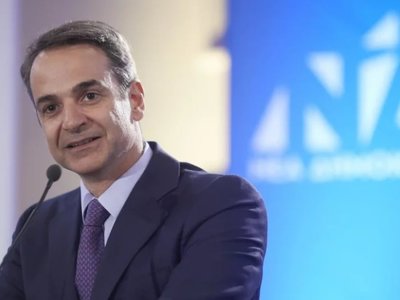
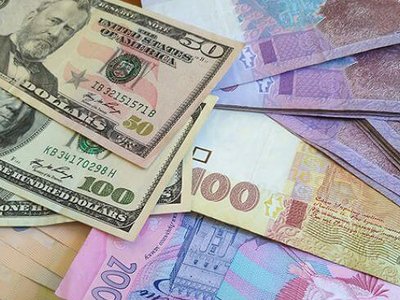
Hungarian Prime Minister Viktor Orbán has criticised Brussels over the planned written vote to approve a European Commission proposal, based on Article 122 of the EU Treaty, to ban the return to Russia of its assets frozen in the EU.
The EU Committee of Permanent Representatives (Coreper) began a written voting procedure on Thursday 11 December to approve the European Commission's proposal to ban the return to Russia of its assets frozen in the EU. Voting will continue until 17:00 on Friday 12 December.
"Today Brussels will cross the Rubicon. At midday a written vote will begin that will cause irreparable damage to the Union. The subject of the vote is the frozen Russian assets which until now have been put to a vote by EU member states every six months, leading to unanimous decisions. With today's procedure Brussels, with one stroke of the pen, is cancelling the unanimity requirement, which is clearly illegal," Orbán said on Facebook.
The Hungarian prime minister asserted that this decision would "put an end to the rule of law in the European Union" and that European leaders would "place themselves above the rules".
"Instead of ensuring compliance with the EU treaties, the European Commission is systematically violating European law. It is doing so in order to continue its war in Ukraine which is clearly being lost," Orbán claimed.
Orbán said that in the European Union the rule of law was being replaced by "the rule of bureaucrats", which he described as the establishment of a "Brussels dictatorship".
Hungary protests against this decision and will do everything in its power to restore the rule of law," Orbán added.
Slovak Prime Minister Robert Fico said under no circumstances would he support the European Commission's proposal to provide Ukraine with a reparations loan funded from frozen Russian assets if the money is to be used for military purposes.
The EU intends to fast-track the adoption of a law on the indefinite freezing of Russian assets in order to prevent a veto from Orbán.
European Commission President Ursula von der Leyen on 3 December announced two solutions to fund Ukraine in 2026-2027, one of which proposes using the proceeds from frozen Russian assets in the EU to provide Ukraine with a "reparations loan".
Even before the new proposal was announced, Belgium had described it as categorically unacceptable.
- Last
- February, 05
-
-
-
-
- April, 28
-
-
-
-
-
-
- April, 27
-
-
-
-
-
-
-
-
-
News by day
25 of December 2025