Russian war has killed or injured 1,144 children in Ukraine in 10 months: highest toll in nearly four years

Officials released these figures on November 20, World Children's Day, citing the UN Human Rights Monitoring Mission in Ukraine. From January to October this year, at least 114 children died and another 1,030 sustained injuries — an average of more than three children every day.
In October alone, strikes killed or injured at least 146 children, marking a 150% increase compared to the same month last year. Overall, the number of children killed in 2026 has already exceeded the total for all of 2025 by more than 20%, while the number of injured children has risen by nearly 60%.
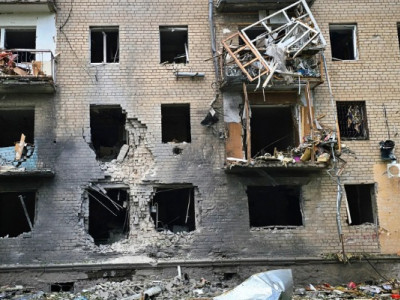
Among recent incidents, UNICEF cited Russia's November 2 strike on a school complex in southeastern Ukraine, including an underground shelter where volunteers were distributing humanitarian aid. That attack killed 72 people, with four others still missing.
On November 13, attacks on Zaporizhzhia killed a 17-year-old boy and pushed the number of wounded to 50, including eight injured children.
Energy attacks complicate winter preparations
UNICEF also noted that the number of verified strikes on energy infrastructure in 2026 has already exceeded last year's total by 78%. Most regions face scheduled power outages lasting between 4 and 18 hours, with some areas experiencing blackouts exceeding 12 hours in early November.
Power outages risk disrupting water supplies to residential buildings, schools, and hospitals, depriving children of safe drinking water and proper hygiene while increasing the risk of disease outbreaks. Last winter, nearly two million children went without heating, electricity, and water when temperatures dropped below -20 °C.
Together with partners, UNICEF supports district heating systems to provide warmth for roughly three million people in communities hardest hit by the war. The organization is also installing alternative energy sources at medical facilities and at solar power plants serving water supply sites that serve around 2.5 million people.
Additionally, in partnership with the Ministry of Social Policy, UNICEF provides winter cash assistance to more than 100,000 households in frontline regions. The agency and its partners also repair damaged schools, rehabilitate shelters, and ensure access to education, as well as to psychological and psychosocial support, for children, youth, and families.
UNICEF calls for the protection of civilians — particularly children — and critical infrastructure, including energy, heating, and water supply systems, in accordance with international humanitarian law. The organization also emphasizes the need for safe and unhindered humanitarian access to all parts of Ukraine, including temporarily occupied territories.
- Last
News by day
20 of November 2026